|
|
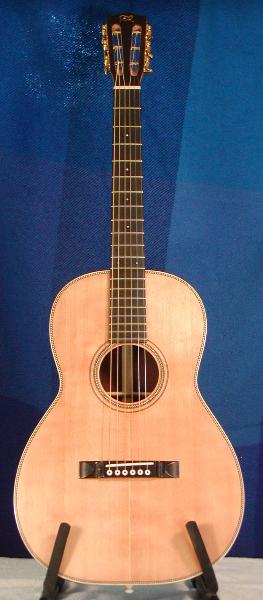
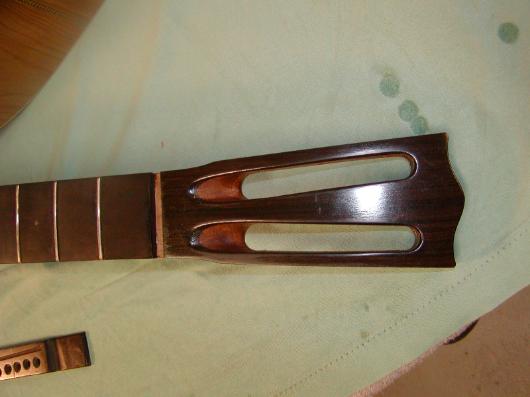
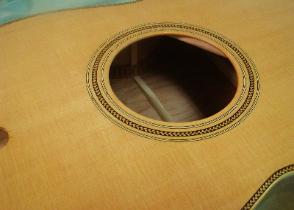
The 00 (or "Double O", or "Double Ought") is a body shape that has
been constructed by the CF Martin Co since the 19th Century. Until the
1930s, the Double O was a 12 fret (to the neck), slot head instrument,
like my No. 12 on the left. By today's standards, it is a small guitar,
although it was once the largest guitar commonly made.
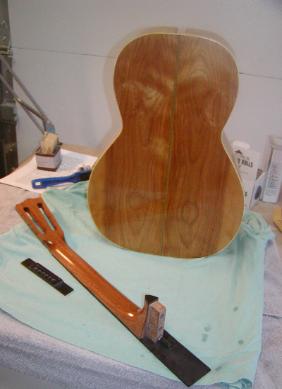
In 1966, my first wife bought a CF Martin 00-18C, the "classical" version
of the Double O somewhat popular in the folky early 1960s. My
colleague and friend, Phil Walker, and I decided to build guitars copying
that one back in 1973. Phil finished his efficiently soon after he moved
to the Department of Anthropology at UC Santa Barbara. I finally
finished mine on May 23, 2008. Most of the delay was due to distraction
by my job at UC Davis. T0he last 3 years of delay came about because I
did not want to work with the Brazilian rosewood I had bought for the
guitar until I had some experience. Brazilian rosewood had become quite
valuable in the intervening years.
|
|
|
|
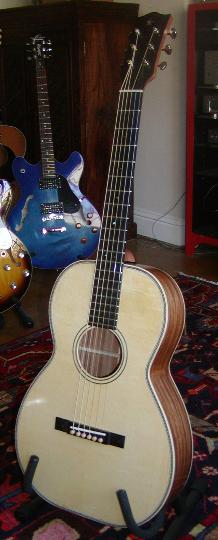
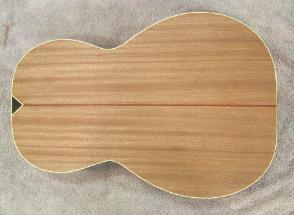
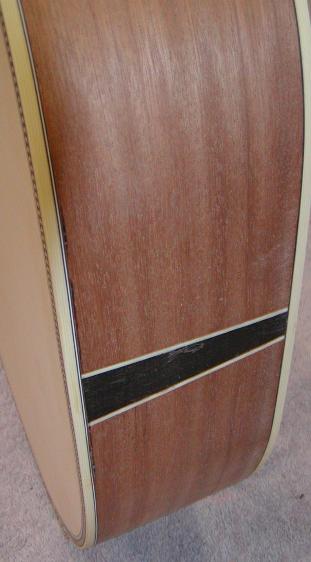
No. 4, constructed of sapele back and sides, Lutz spruce top, lumber
store mahogany neck, ebony fret board, peg head overlay, and bridge.
Grover Sta-Tite tuning machines. This guitar remains with me as my
house guitar.
|
|
|
|
No. 5, sides and back 100 year old yellow birch salvaged from Lake
Superior, Lutz spruce top, Honduran mahogany neck, ebony fretboard
and bridge, rosewood peghead overlay.
This guitar now belongs to Doug Kauffman of Davis, CA. Doug is a
masterful musician (fiddle, guitar, banjo, multiple regional stringed
instrument of Mexico, embira). He is also an artist, poet, and scholar,
and he is my old time banjo mentor.
|
|
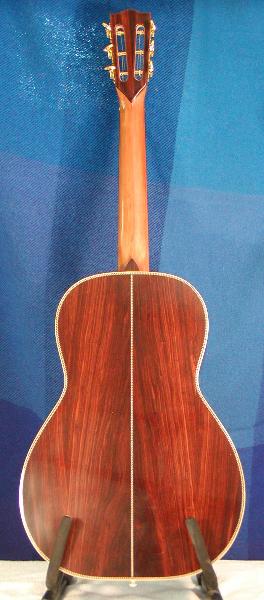
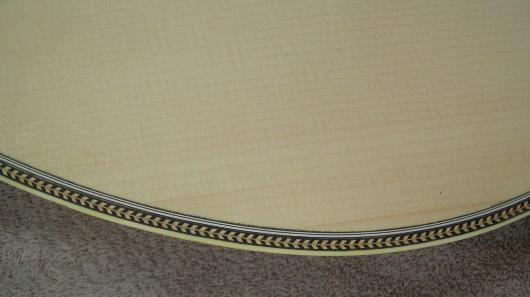
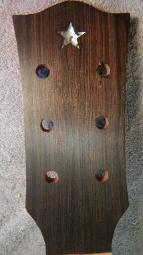
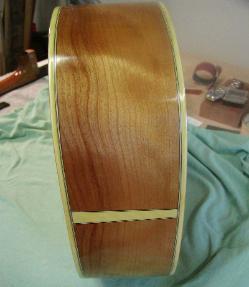
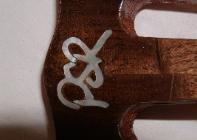
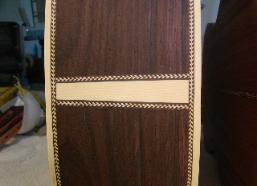
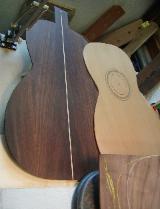
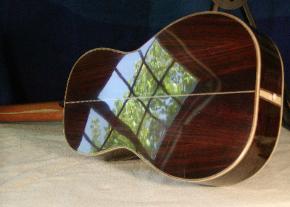
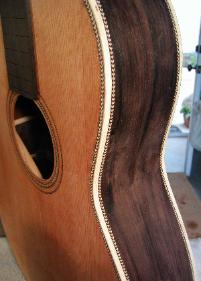
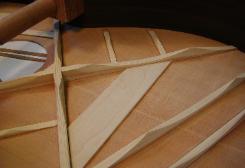
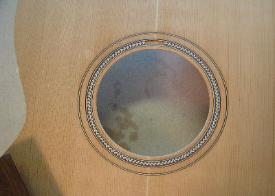
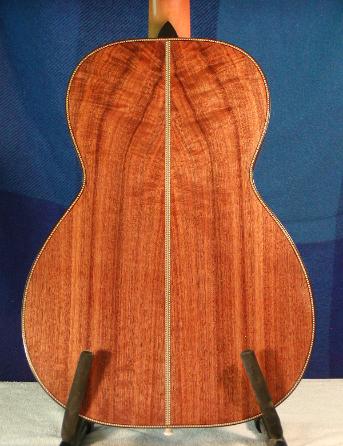
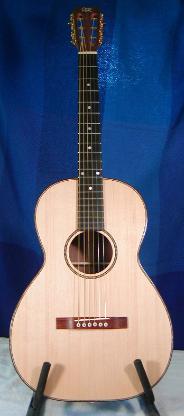
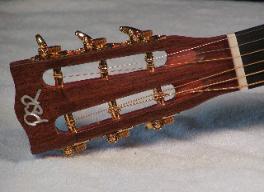
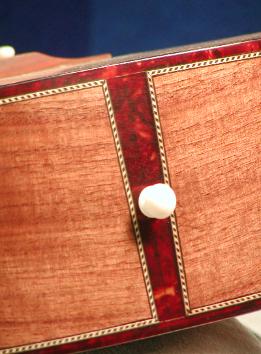
No. 12 (photos at the top of the page also):
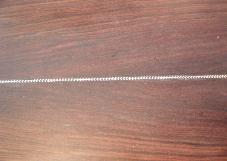
Brazilian rosewood back, sides and peghead veneer, sitka spruce top, Honduran
mahogany neck, ebony fretboard and bridge. No. 12 was the first of the Rodman
Guitars to be identified with the PSR headstock inlay.
This one belongs to a young man from Woodland, CA, whose father gave it to him
as high school graduation gift in June, 2008.
|
|
|
|
|
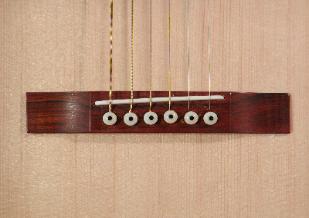
No. 13 is constructed from black walnut back, sides, and peghead
overlay, Lutz spruce top, Spanish cedar neck, ebony fretboard with
pearl dot inlay, cocobolo bridge, bone nut and saddle, Grover Sta-Tite
tuning machines, findings of faux tortois shell.
No. 13 belongs to James Hibbs, musician and staff member at
Schoenberg Guitars, Tiburon, California
|
|
|